About Ball Valve
Ball Valve
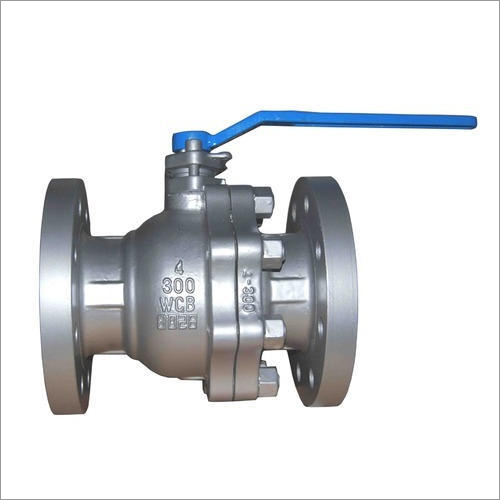
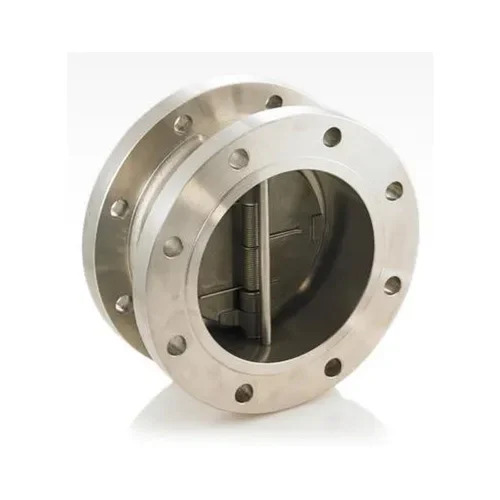
A ball valve is a type of quarter-turn valve which uses a hollow, perforated and pivoting ball to control flow through it. These are durable, reliable, performing well after many cycles, closing securely even after a long time of disuse. The excellent quality makes them the first choice of buyers throughout the market. Customers throughout the market trust us completely to get the best Ball Valve within a promised time frame at their doorstep. For any doubt related to our products and policies, feel free to ask.
Product details
| Standard | ASTM BS DIN ASA SIS |
| Material | Stainless Steel |
| Usage/Application | Industrial |
| Pressure | High Pressure |
| Connector Type | Flanged End |
Constructed from investment cast stainless steel (SS 304/316) and equipped with a precision-polished solid ball, this valve is built for reliability and resistance to corrosion. The PTFE seats and blowout-proof stem provide longevity and consistent performance under tough conditions, while the full bore design supports high flow rates and minimal pressure drop.
Efficient Installation and Versatile UsageWith BSP threaded female end connections, this ball valve is easy to install in new setups or retrofit scenarios. Its compatibility with water, oil, gas, and steam, as well as its suitability for various industries, make it a versatile solution. The insulated, vinyl-coated handle adds comfort and safety during manual operation.
Strict Compliance and Superior SealingManufactured under ANSI B16.34 / ASTM A351 standards, each valve ensures reliable operation and leak-tight shutoff (Class VI, bubble tight). The optional ISO 5211 mounting pad offers extra flexibility for actuation needs. The short face-to-face dimension allows compact installations without compromising sealing or operational integrity.
FAQ's of Ball Valve:
Q: How do you install a BSP threaded investment cast stainless steel ball valve?
A: To install the valve, ensure the pipework is clean and properly aligned. Apply suitable PTFE tape or thread sealant to the male BSP threads, then screw the valve onto the threaded end by hand. Tighten with a wrench using the flats provided, ensuring not to over-tighten. Always position the lever for proper operation and ensure leak-tightness before placing the system into service.
Q: What are the benefits of a PTFE-seated, solid stainless steel ball valve in industrial applications?
A: PTFE seats provide excellent chemical resistance, high-temperature tolerance (up to 180C), and ensure a bubble-tight Class VI shutoff. The solid stainless steel ball adds durability and corrosion resistance, making the valve ideal for harsh industrial, petrochemical, oil & gas, and water applications.
Q: Where can this type of ball valve be used?
A: This ball valve is versatile and suitable for a wide range of media, including water, oil, gas, steam, and chemicals. It's used extensively in industrial plants, water treatment, petrochemical operations, oil & gas facilities, and steam lines, as well as other general purpose applications.
Q: What standards does the valve meet, and why are they important?
A: The valve complies with ANSI B16.34 and ASTM A351 standards, ensuring it meets stringent requirements for pressure, temperature, and material integrity. These standards guarantee safety, reliability, and consistent quality in demanding applications.
Q: How does the quarter-turn lever operation enhance valve usage?
A: The quarter-turn lever enables rapid opening and closing, allowing for quick flow control. The insulated, vinyl-coated handle improves grip and safety, particularly in high or low-temperature environments. This design makes manual operation both efficient and user-friendly.
Q: What is the purpose of the ISO 5211 mounting pad?
A: The optional ISO 5211 mounting pad allows for easy integration of actuation devices, such as pneumatic or electric actuators, enabling automated or remote valve operation if required by the application.







 Send Inquiry

 Send Inquiry
 Send Inquiry
 Send SMS