Product Description
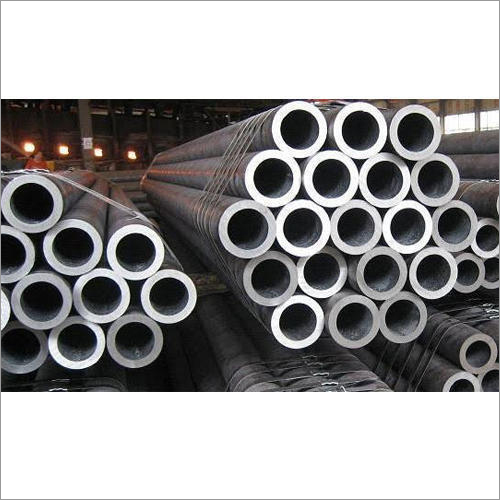
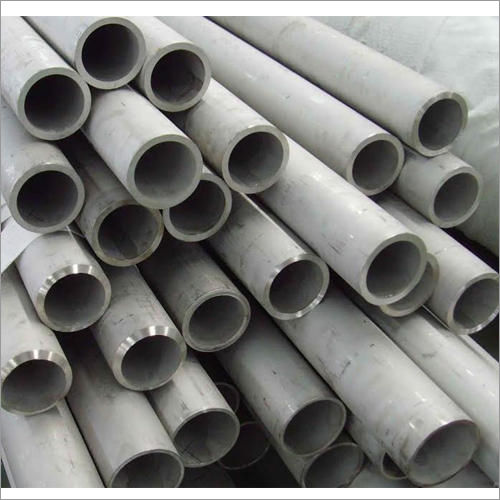
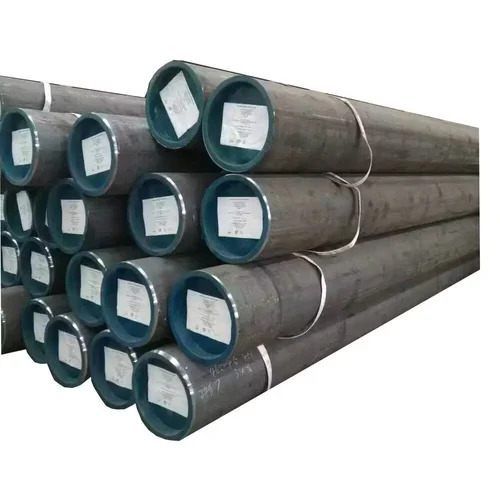
Do you want to make the purchase of Seamless Stainless Steel Pipe of unmatched quality at pocket-friendly rates? If the answer to this question is yes then, we are the best destination for you. While serving our customers, we make sure to treat them with respect and give importance to the special instructions given by them. We have served numerous customers and all of them are impressed with our Seamless Stainless Steel Pipe, we promise to deliver the premium quality range throughout the existence of our firm.
Product details
| Unit Pipe Length | 12 meter |
| Surface Finish | Anodized |
| Pipe Fluid | Gas,Water |
| Shape | Round |
| Material | Stainless Steel |
These stainless steel pipes are designed with various end types-plain, beveled, and threaded-accommodating diverse joining methods such as welding (butt-weld, socket weld) or threading (NPT, BSP, BSPT). Complying with ASTM standards (A312, A213, A269, A789), they ensure compatibility and performance in demanding industry settings. Each pipe undergoes strict surface treatment, including polishing, annealing, or pickling, enhanced by a natural stainless finish that provides additional protection.
Exceptional Corrosion Resistance and StrengthFabricated from premium grades like 304, 316, and others, these pipes boast remarkable corrosion resistance, making them ideal for chemical and fluid transfer under harsh conditions. Achieving a minimum tensile strength of 520 MPa and supported by a robust yield strength, they withstand challenging operating pressures up to 6000 PSI, depending on size and grade, ensuring longevity and safety in mechanical and structural applications.
Strict Quality Control and PackagingQuality is assured through comprehensive testing, including hydrostatic, eddy current, and air under water leak tests. Delivered in annealed condition with precise dimensional tolerance (0.05 mm), pipes are packaged for protection-plastic caps on both ends, secure bundling, and optional wooden box packing. This meticulous approach minimizes transit damage and facilitates safe storage and handling for dealers, distributors, and end-users.
FAQ's of Seamless Stainless Steel Pipe:
Q: How are seamless stainless steel pipes manufactured?
A: These pipes are produced through hot finished or cold drawn processes that ensure a uniform, high-strength, and defect-free structure. The hot finishing process improves ductility, while cold drawing enhances precision and surface finish, resulting in pipes with consistent dimensions and excellent mechanical properties.
Q: What makes these pipes ideal for industrial fluid and gas transfer?
A: Their excellent corrosion resistance, high tensile strength (minimum 520 MPa), and capability to withstand temperatures from -196C to 600C make them perfectly suited for safe transfer of fluids and gases in harsh industrial environments, such as oil & gas, chemical, and food processing industries.
Q: When should I choose a specific end type (plain, beveled, or threaded)?
A: Choose plain ends for welding applications, beveled ends for accurate butt welding and secure joints, and threaded ends (NPT, BSP, BSPT) for connections requiring easy assembly and disassembly, especially in maintenance-heavy or modular systems.
Q: Where are seamless stainless steel pipes commonly used?
A: These pipes are widely utilized in industrial sectors across India and globally, including petrochemical plants, power generation, food processing, and structural and mechanical projects due to their durability, precision, and compliance with international standards.
Q: What is the testing process for ensuring leakage resistance?
A: Each pipe undergoes rigorous leakage tests, such as hydrostatic testing, eddy current testing, or air under water pressure tests. These methods confirm structural integrity and guarantee leak-proof performance under operational pressures.
Q: Which benefits do end-users gain from the annealed delivery condition?
A: The annealed delivery condition relieves internal stresses, enhances ductility, and makes the pipes easier to machine, weld, or bend. This results in improved performance, extended service life, and reduced risk of fracture during installation or use.







 Send Inquiry
 Send Inquiry
 Send SMS
 Call Me Free